
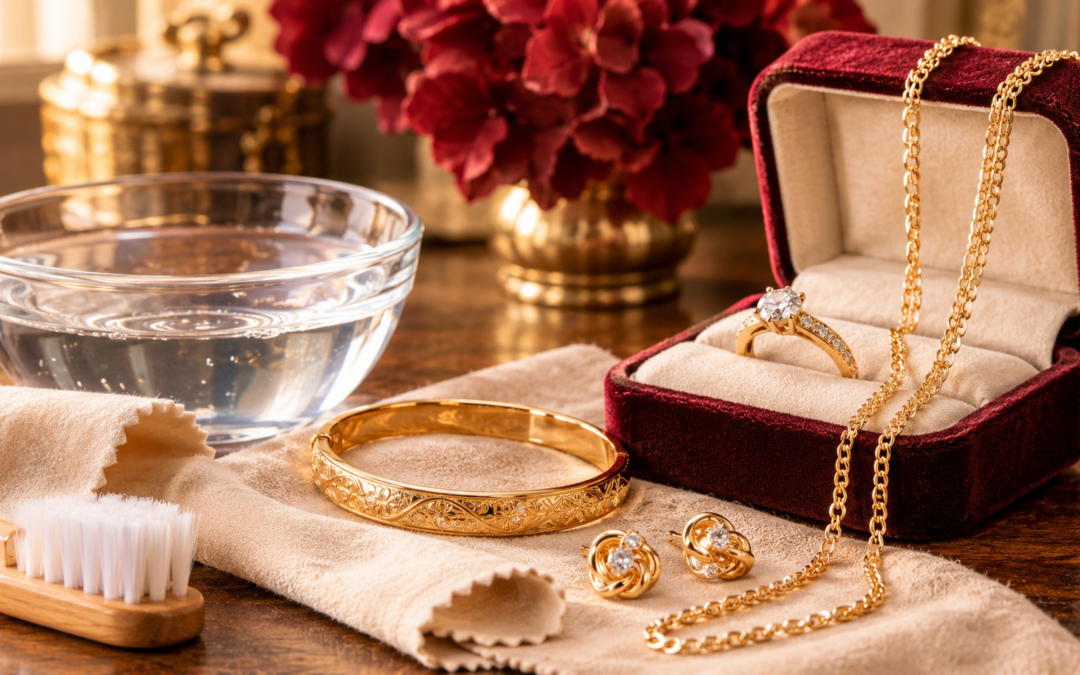
How to Care for Gold Jewelry in Edmonton: Cleaning, Storage and Maintenance Tips
Gold jewelry is often more than an accessory. A necklace may be a family keepsake, a ring may mark a special occasion, and a bracelet may hold sentimental value. Whether you wear your gold pieces every day or keep them for special occasions, proper care can help maintain their appearance and condition.
If you own gold jewelry in Edmonton, understanding how to clean, store, and protect it is important. Everyday activities, improper storage, and exposure to certain chemicals can affect the appearance of your jewelry over time.
This guide shares practical gold jewelry care tips, explains common mistakes to avoid, and highlights what to consider if you eventually want to have your pieces assessed or sell them.
1. Understand the Type of Gold Jewelry You Own
Before cleaning any gold item, understand what it is made of.
Gold jewelry comes in different purities, commonly identified by karat markings:
-
10K gold: Approximately 41.7% pure gold.
-
14K gold: Approximately 58.3% pure gold.
-
18K gold: Approximately 75% pure gold.
-
22K gold: Approximately 91.7% pure gold.
-
24K gold: Approximately 99.9% pure gold when described as fine gold.
Pure gold is relatively soft, so jewelry is often made with gold alloys to improve durability. The karat rating indicates the proportion of gold in the piece.
You may also own gold-plated or gold-filled jewelry. These are different from solid gold, and their care requirements can vary. Avoid assuming that every gold-coloured item is solid gold.
If you are unsure about a piece’s composition, consider having it professionally assessed before using a cleaning method that could damage its finish.
2. Clean Your Gold Jewelry Gently
Regular wear can leave gold jewelry looking dull because of accumulated body oils, dust, lotion, and other residue.
For suitable solid gold pieces without delicate gemstones or special finishes, a gentle cleaning routine may help.
A simple cleaning method:
-
Fill a small bowl with lukewarm water.
-
Add a small amount of mild dish soap.
-
Place the suitable jewelry in the solution for a short time.
-
Gently clean with a soft, non-abrasive cloth or soft-bristled brush.
-
Rinse carefully with clean water.
-
Dry thoroughly with a soft, lint-free cloth.
Take care when cleaning jewelry with gemstones, pearls, glued components, delicate settings, or antique finishes. Some materials can be damaged by soaking or brushing. When in doubt, ask a qualified jeweler about the safest cleaning method.
3. Avoid Chemicals That Can Damage Your Jewelry
One common mistake is wearing jewelry while using household cleaning products or applying beauty products.
Certain chemicals and substances can affect jewelry finishes, settings, and gemstones.
To reduce unnecessary exposure:
-
Remove suitable jewelry before swimming in chlorinated pools.
-
Avoid wearing jewelry while using strong cleaning products.
-
Apply perfume, lotion, hairspray, and cosmetics before putting on your jewelry.
-
Keep gold pieces away from bleach and other harsh chemicals.
-
Follow professional care advice for plated, gemstone, and antique pieces.
These precautions can help reduce avoidable wear and damage.
4. Store Gold Jewelry Properly
How you store your jewelry matters just as much as how you clean it.
When gold chains, rings, bracelets, and earrings are stored together, they can become tangled or scratched.
Here are practical storage tips:
Use separate compartments: Keep individual pieces in separate sections of a jewelry box or organizer.
Store chains carefully: Fasten necklaces and store them separately to reduce tangling.
Choose a dry storage area: Avoid leaving jewelry in damp places where moisture may affect certain components.
Use soft pouches: Soft-lined pouches can help protect individual pieces from scratches.
Keep delicate jewelry separate: Pearls, softer gemstones, and antique pieces may require special storage conditions.
A little organization can help keep your collection in better condition.
5. Remove Jewelry During Activities That May Cause Damage
Gold is durable, but jewelry can still become scratched, bent, or damaged.
Consider removing suitable pieces before:
-
Exercising or playing contact sports.
-
Gardening or doing heavy household work.
-
Swimming.
-
Handling strong cleaning products.
-
Carrying out activities where rings or bracelets may catch on equipment.
Pay particular attention to rings with raised settings, delicate chains, and jewelry containing gemstones.
6. Check Clasps, Settings and Other Small Details
A piece of jewelry may look fine while having a loose clasp, weakened chain link, or gemstone setting that needs attention.
Inspect your frequently worn jewelry from time to time.
Look for:
-
Loose stones or prongs.
-
Clasps that no longer close securely.
-
Bent or damaged rings.
-
Broken chain links.
-
Signs of unusual wear.
If you notice a problem, avoid continuing to wear the item until it has been checked. A jeweler may be able to advise whether repair is appropriate.
7. Be Careful With DIY Cleaning Methods
Not every popular jewelry-cleaning tip is safe.
Abrasive powders, rough brushes, toothpaste, bleach, and strong household cleaners can scratch, discolour, or damage some jewelry materials.
Ultrasonic cleaners are also not suitable for every gemstone or jewelry construction.
Before trying a new cleaning method, identify the material and check whether the method is appropriate. Professional advice is particularly important for antique jewelry, valuable gemstone pieces, and delicate settings.
8. What If You Have Gold Jewelry You No Longer Wear?
Sometimes proper care is not about keeping every piece forever. You may have inherited jewelry that does not suit your style, received a gift you no longer use, or found old gold items while organizing your home.
Instead of leaving these items unused, you may want to explore their potential value.
A gold jewelry assessment may consider:
-
Gold purity and karat.
-
Item weight and gold content.
-
Current gold market prices.
-
Overall condition.
-
Brand, craftsmanship, and resale demand.
-
Gemstones or other valuable components, where applicable.
Remember that the original purchase price does not necessarily determine what a buyer may offer today.
If you are considering selling gold jewelry in Edmonton, gather any available receipts, certificates, or original packaging before visiting a buyer. These details may help provide useful information about the item.
9. Should You Sell Your Gold Jewelry or Consider a Pawn Loan?
If you have valuable gold jewelry that you no longer use, you may have more than one option.
Selling your gold jewelry means accepting a purchase offer and transferring ownership of the item. This may suit you if you no longer want or need the piece.
Using gold jewelry as collateral for a pawn loan is different. You receive a short-term loan against an eligible item, with the opportunity to reclaim it after repaying the loan and applicable charges according to the agreement.
Before choosing a pawn loan, understand the total repayment amount, fees, deadline, and consequences of nonpayment.
The right option depends on your financial situation and whether you want to keep the item.
Where Can You Explore Gold and Jewelry Services in Edmonton?
If you are looking for a place to discuss buying, selling, or pawning eligible valuables, Stan’s Exchange & Secondhand Store in Edmonton offers services involving gold, jewelry, watches, antiques, and other secondhand items.
Whether you have an old gold chain, a ring you no longer wear, or jewelry you inherited, contact the store to ask about the assessment process and available options.
Stan’s Exchange & Secondhand Store
Address: 9520 118 Avenue NW, Edmonton, Alberta
Phone: (780) 477-6693
Website: https://stansexchange.ca/
Explore the gold and jewelry services in Edmonton or learn more about Stan’s Exchange services.
Frequently Asked Questions About Gold Jewelry Care
How often should I clean my gold jewelry?
How often you clean gold jewelry depends on how frequently you wear it and what it is exposed to. Gently wipe suitable pieces after wearing them, and clean them when you notice residue or dullness. Delicate pieces may require professional care.
Can I clean gold jewelry with dish soap?
A small amount of mild dish soap mixed with lukewarm water can be suitable for some solid gold pieces. However, jewelry containing pearls, delicate gemstones, glued components, or special finishes may require a different cleaning method.
Does 18K gold require special care?
18K gold contains a higher proportion of gold than 14K or 10K gold. Because gold is relatively soft, take care to avoid scratches, impacts, and harsh cleaning methods.
Can damaged gold jewelry still have value?
Yes. Broken gold chains, damaged rings, and mismatched pieces may still contain gold. Their potential value depends on factors such as purity, weight, current gold prices, and other relevant characteristics.
Where can I sell gold jewelry in Edmonton?
You can contact a local gold buyer or secondhand store to ask about its assessment and buying services. Stan’s Exchange & Secondhand Store in Edmonton offers services involving eligible gold and jewelry. Contact the store to discuss your specific items.
Final Thoughts
Taking care of gold jewelry does not have to be complicated. Gentle cleaning, appropriate storage, and avoiding harsh chemicals can help preserve the appearance and condition of your pieces.
If you have jewelry you no longer wear, understanding its composition and potential value can help you decide whether to keep it, sell it, or explore a pawn option.
For gold and jewelry services in Edmonton, contact Stan’s Exchange & Secondhand Store to discuss your items and explore the available options.
Stan’s Exchange & Secondhand Store
9520 118 Avenue NW, Edmonton, Alberta
(780) 477-6693
https://stansexchange.ca/